
Weather, Climate and Ticks
During Winter 2026 the weather in Southeast Michigan had me repeating one thing: “This is one of the hardest winters I can remember.” With persistent cold weather coming out of the North from Canada due to a semi-permanent trough, or a dip in the Jetstream that was anchored over the Great Lakes and East Coast. This led to the Eastern half of the United States seeing one of the coldest winters in a long time. Cold air and weather systems that would (typically) hit the Mountain West were directed right at the mitten state.
That cold we experienced this past Winter should have cut back on tick populations, right? I’ve heard it for a long time: “If we just got a hard freeze last winter, the ticks wouldn’t be so bad”. Unfortunately I have to report that statement is not entirely accurate. Ticks have been shown to be highly resilient to extreme temperature fluctuations, and are able to survive winter by entering into a low energy state known as torpor. Recent research by University of Wisconsin took a look into tick survival through extreme temperatures (source).
Tick populations are back this spring, and they’re out and active earlier in the year. For decades, Southeast Michigan residents viewed ticks as a problem for up North. However, shifting climates and changing wildlife populations have firmly established ticks in the fields and lawns of Southeast Michigan.
Ticks in Our Neighborhood
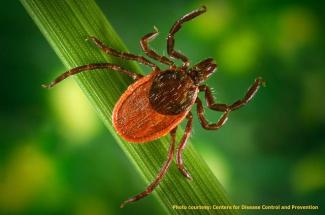
One of the most talked about ticks is the Black-legged tick (Ixodes scapularis), also known as the deer tick. As its range expands eastward and northward across the Lower Peninsula, so does the prevalence of Lyme disease. Once rare in the Detroit metro area, confirmed cases have seen a steady increase. The confirmed case rate has quadrupled from 2022-2025 (source) making vigilance a necessity for anyone spending time outdoors.
Beyond Lyme disease, there are a number of other less well known diseases that are concerning. These are Anaplasmosis, Babesiosis, and the rare but severe Powassan virus. Ticks act as vectors for a number of diseases, some of which are life threatening. While Lyme remains the most common threat, the list of potential infections carried by a single tick bite is a rising priority for Michigan residents.
The upshot is that with diligence these diseases can be avoided, but it requires mindfulness. When I used to work as a forestry technician I had to repeat the same routine daily to prevent ticks hitching their way home with me. In the morning before I went out to the woods I made sure to spray my clothing with permethrin bug spray. At my lunch break I would do a cursory tick search on my clothing and gear - light colored clothing was easiest to spot the ticks on. Before I got in my truck to drive back to the office I looked all over myself and gear once more, lifted up my pant legs and felt all around my ankles and calves, sometimes doing this twice if I found more than one. Establishing a routine is one of the most important steps toward prevention, but identification is important as well.
Identifying the Local Culprits
Knowing what characteristics different ticks have will help if you find one. In Southeast Michigan, you are most likely to encounter three specific species:
- Black-legged (Deer) Tick: Small and dark, females have a distinct reddish-orange rear body. These are the primary carriers of Lyme disease.
- American Dog Tick: Larger with silver/white markings on their backs. While they don't carry Lyme, they can transmit Rocky Mountain Spotted Fever.
- Lone Star Tick: Its population is increasing in Southern Michigan, recognized by the single white dot on the female's back. They are linked to the alpha-gal red meat allergy.
Identifying a tick's life stage is just as vital as identifying its species. Nymphs are juvenile ticks roughly the size of a poppy seed, and are responsible for the majority of human infections. They can go unnoticed while feeding, giving the bacteria ample time to transmit to the host. Nymphs are most active in late Spring and early Summer.
Management Strategies for Residents
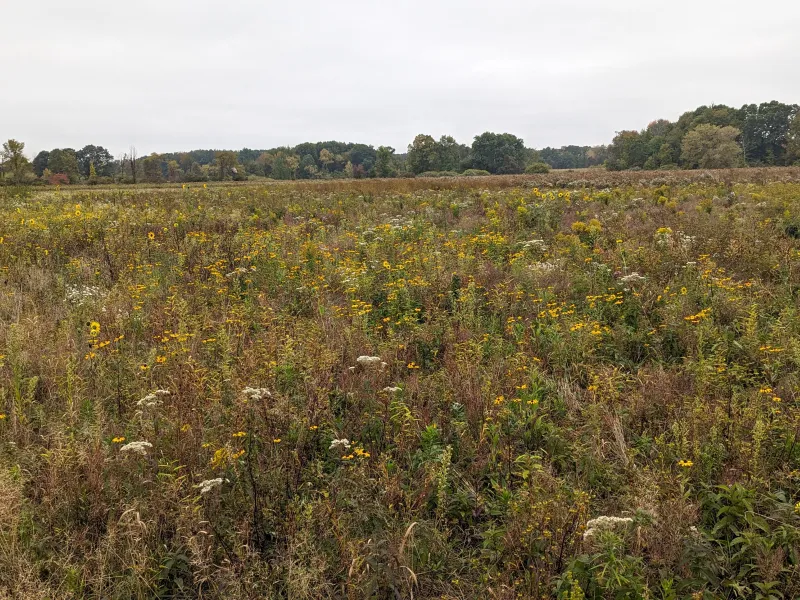
Landowners can significantly reduce tick density by making their property less hospitable to both ticks and the animals that carry them. Ticks thrive in high humidity and shade, so the goal is to "dry out" the environment.
1. Create a "Tick-Safe" Buffer: Maintain a clear transition zone between wooded areas and your lawn. A 3-foot wide barrier of wood chips or gravel can physically prevent ticks from migrating into these areas. Ticks dislike crossing dry and hot surfaces.
2. Landscaping for Prevention: Keep lawns mowed short and remove leaf litter promptly. Ticks use tall grass to go questing, or climbing to the tips of vegetation to hitch a ride on passing mammals. By eliminating brush piles and keeping vegetation tidy, you also discourage mice and chipmunks, which serve as the primary reservoirs for Lyme-causing bacteria.
3. Host Management: Since deer and rodents are the primary transport for ticks, fencing and deer-resistant plantings can help. Some homeowners make "tick tubes". These are a toilet paper tube filled with permethrin-treated cotton. Mice take the cotton for nests, which kills ticks on the rodents without harming the animals or the environment. The Ohio State University Extension has a good step by step directive on how to make tick tubes (source).
4. Chemical controls: There are a number of options residents may want to research regarding chemical treatments for yards and lawns. Private service providers offer proprietary methods for tick control. Keep in mind that some of these may involve broad-spectrum pesticides that can negatively impact pollinators.
5. Ecosystem Management: Taking an ecological approach toward tick management may be another option. Things like prescribed fire have been shown to reduce existing tick populations (source). Results will differ from forests to grasslands and time of year the burn is conducted. Another ecosystem approach is to increase predation on tick populations. Guinea fowl, chickens, ducks and turkeys are all known tick predators. Managed grazing on pasture, or free ranging animals will have an impact on tick populations. Through altering habitat and predator/prey relationships there are a number of ways to tackle a tick problem.
These management recommendations are specific to keeping ticks at bay, and aren’t applicable for all contexts. For example, removing leaf litter promptly in the fall, or during spring clean up can have deleterious effects on soil health or pollinators who use leaf litter for nesting. The point really is that taking some of these steps in or around your home can help you manage tick populations in more frequently travelled areas to protect you and your pets.
Removal Reporting and Response
If you find a tick attached to your skin, do not panic, because Lyme disease typically requires 36-48 hours of a continuous tick bite. Use fine-tipped tweezers to grasp the tick as close to the skin as possible and pull upward with steady, even pressure. Once removed, take a photo of the tick as it can be a good idea for future identification and timestamping.
Michigan residents are encouraged to participate in reporting tick incidences via the Michigan Department of Health and Human Services (MDHHS). They offer tick ID where residents can submit photos for identification. In Washtenaw County the Environmental Health Division offers free tick submission kits (source). (please don’t bring ticks in for ID to WCCD or the County offices).
If you suspect you have been bitten and develop symptoms such as a bulls-eye rash, fever or chills not associated with a virus then seek medical attention (source). Early-stage Lyme disease is highly treatable with antibiotics. However, because the hallmark rash does not appear in every case, it is crucial to tell your doctor about any recent outdoor activity or known tick exposure to ensure an accurate diagnosis and treatment.
Conclusion
With tick borne illnesses on the rise it’s important to know that with education, and diligence we can prevent the impacts of ticks in our community. Through careful and intentional actions like developing a routine before traversing tick habitat or designing our home and living spaces with tick prevention in mind we can take big strides towards preventing tick borne illness.
This article is not intended to diagnose, treat or make any medical recommendations for tick borne illness.
This article was written by Matt DeJonge, Community Forester in April of 2026

Matt DeJonge
Community Forester