The WCCD office will be closed on Monday, October 12 in observance of the Indigenous Peoples' Day federal holiday. Leave a message via phone or email.
Conservation is Everywhere
September 17, 2026
Conservation is Everywhere
Fourteen years ago, when we bought our house, we had exactly one milkweed plant in our rock landscape bed. It was weedy, scraggly, easy to overlook, but I saw it.
We didn't do anything heroic. We just didn't pull it.
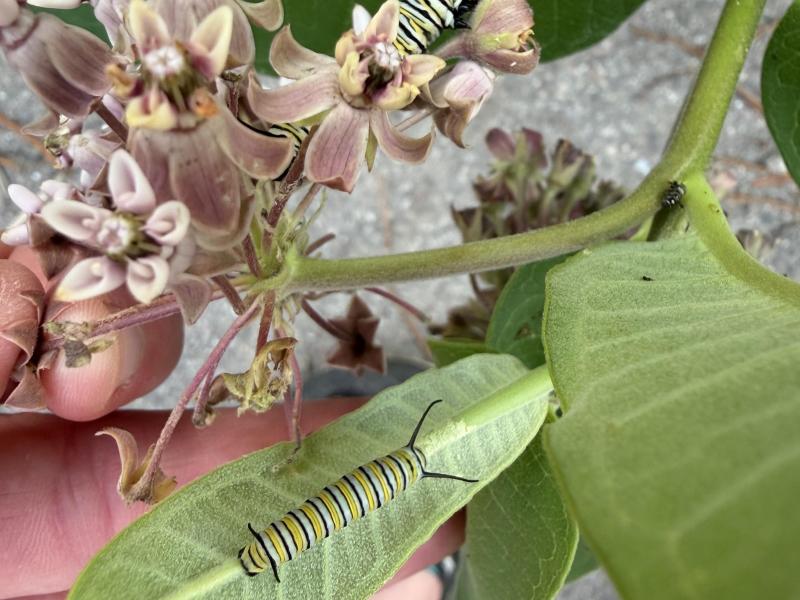
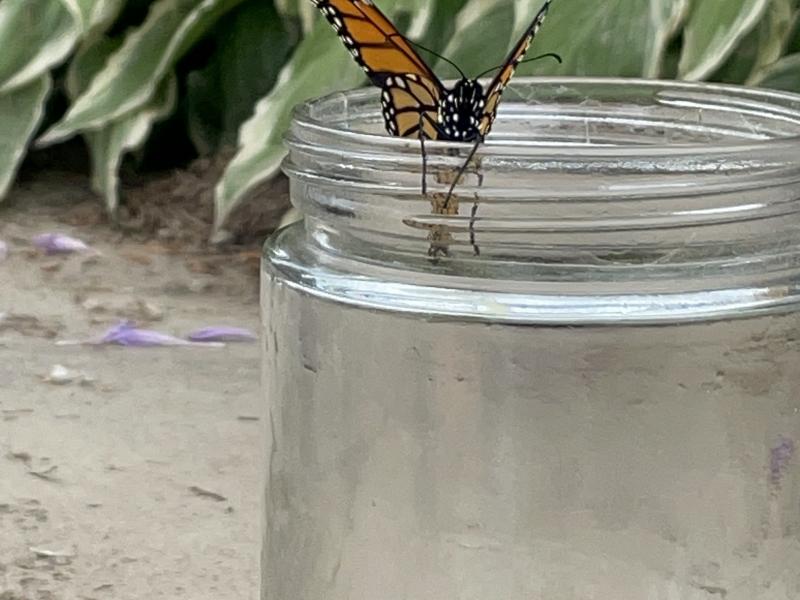
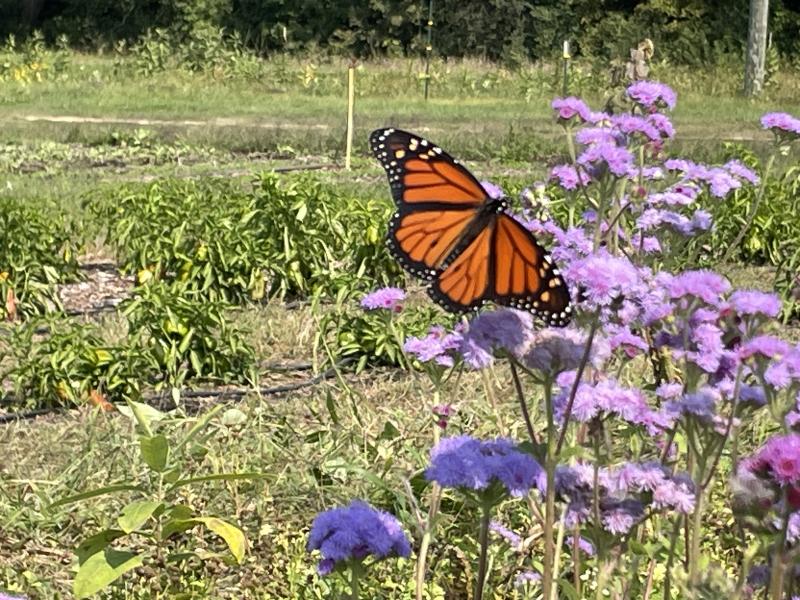
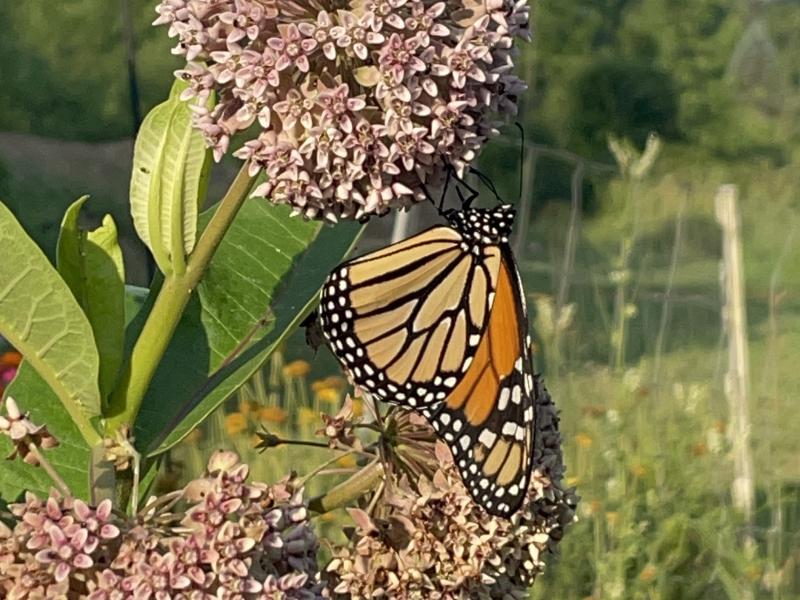
Fast forward to today: that one plant has become a whole patch. First we spotted monarchs, and then we spotted caterpillars, and eventually we learned to spot eggs. Now, I don’t have to tell my kids it’s monarch season. They come inside carrying jars of milkweed leaves with fat monarch caterpillars munching away. We set up a little habitat, and checking on the caterpillars became part of our daily routine. We watch them grow, form their chrysalises, and finally emerge as monarchs we get to release together.
It's magical. And it's a good reminder of something we talk about a lot at WCCD: conservation isn't only the big stuff — the easements, the cover crops, the restoration projects spanning acres. It's also one plant left alone in a backyard fourteen years ago, quietly doing its job, turning into a whole ecosystem your kids can hold in their hands.
You don't need a farm or a forest or a grant to be part of this work. You need a patch of milkweed and the patience to let it grow.